

Tarnplanen, or camouflage tarpaulins, are highly specialized covers designed to protect equipment, personnel, and positions while blending seamlessly into their environment. These tarps are crucial in both military and civilian contexts, offering vital concealment and protection from harsh weather conditions. With their evolving design and material technologies, tarnplanen have become indispensable tools for various outdoor enthusiasts, survivalists, and professionals. This comprehensive guide explores tarnplanen in-depth, covering their history, features, materials, applications, and how to choose the right one for your needs.
What Are Tarnplanen?
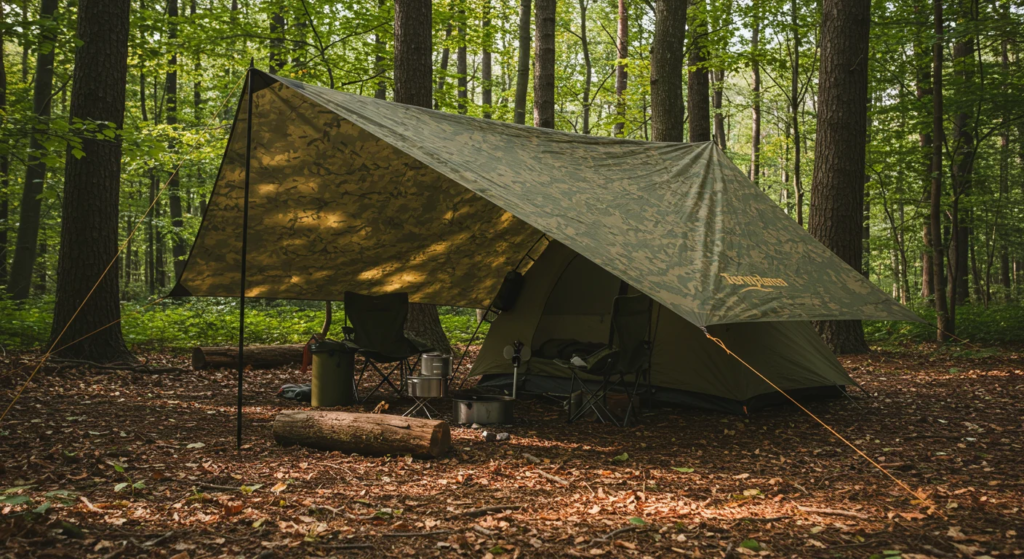
Tarnplanen, translated as camouflage tarps, are large, durable sheets made from materials designed to conceal objects from sight. Unlike regular tarps that might be plain or brightly colored, tarnplanen are specially designed to blend into natural surroundings using camouflage patterns. These tarps are used primarily for their ability to hide equipment, vehicles, people, or structures from visual detection. Initially developed for military operations, tarnplanen have expanded in use to outdoor recreation, hunting, camping, and emergency preparedness.
The primary function of tarnplanen is to provide concealment, but they also offer protection from weather elements, UV radiation, and general wear and tear. They are often made with high-grade, waterproof, and UV-resistant materials, making them highly versatile for both temporary shelters and long-term use in various environments.
Historical Background of Tarnplanen
The concept of camouflage and the use of camouflage materials like tarnplanen dates back to the early 20th century, particularly during the two World Wars. In the trenches of World War I, military forces began experimenting with ways to hide troops and their equipment from enemy sight, leading to the development of more advanced camouflage techniques. The use of camouflaged tarps evolved as an essential tool for this purpose.
During World War II, camouflage became more sophisticated, and the use of tarnplanen for concealing weapons, vehicles, and soldiers in the field became a standard tactic. Over time, these tarps became more refined, utilizing modern camouflage patterns, better materials, and reinforced construction to meet the evolving demands of military operations.
In more recent years, tarnplanen have become a standard piece of gear not only for military personnel but also for outdoor enthusiasts, survivalists, and hunters, making them a common feature in modern tactical gear and camping kits.
Also Read: Strongest One Piece Character: Unveiling the Powerhouses of the World of Pirates
Materials Used in Tarnplanen
The materials used to create tarnplanen are critical to their performance. Modern tarnplanen are made from a range of fabrics that offer durability, resistance to environmental factors, and optimal camouflage effectiveness. Common materials include:
1. Polyester (PU-Coated)
Polyester is one of the most popular materials used for tarnplanen due to its lightweight nature and ability to resist water and UV radiation. Polyester tarps are often coated with a polyurethane (PU) layer to enhance water resistance and durability. These tarps are commonly used for camping and hunting, as they provide a good balance between weight and performance.
2. Polyethylene (PE)
Polyethylene tarps are known for their high durability and waterproof qualities. They are often used in professional or long-term applications, such as military operations or survival kits. PE tarps are heavier than polyester but offer superior protection against wind, rain, and snow. The material’s strength makes it ideal for high-stress environments where frequent exposure to harsh conditions is expected.
3. PVC (Frontlit, Mesh)
PVC tarps are the most robust type of tarnplanen, often used in commercial and industrial applications. These tarps are waterproof, highly resistant to tearing, and capable of withstanding extreme weather conditions. PVC tarnplanen are commonly used for tactical shelters or in areas where maximum durability is required, such as in forested or mountainous environments.
4. Ripstop Fabric
Ripstop fabric is another material often used in high-quality tarnplanen. Known for its ability to prevent rips and tears from spreading, ripstop fabric is lightweight and durable. It is commonly used for tactical tarps that need to resist wear and tear during long-term use. Ripstop tarnplanen are ideal for situations where concealment is important, but the tarp must also endure heavy-duty use.
Key Features of Tarnplanen
When selecting a tarnplan, it’s important to consider the following key features, which influence their effectiveness and durability:
1. Camouflage Patterns
The primary purpose of tarnplanen is to blend into various environments, making camouflage patterns a critical feature. Tarnplanen come in several patterns designed to mimic specific natural environments, such as:
- Woodland Camouflage: Commonly used in forested environments, this pattern typically features shades of green, brown, and black to blend with foliage.
- Desert Camouflage: Featuring lighter tones such as sand, beige, and tan, this pattern is ideal for desert environments.
- Urban Camouflage: Designed for cityscapes or built-up areas, urban camouflage uses grays, blacks, and blues to match urban environments.
Choosing the right camouflage pattern based on the environment you will be in is crucial for achieving maximum concealment.
Also Read: MyGreenBucks Kenneth Jones: Revolutionizing Eco-Friendly Finance
2. Waterproofing
Tarnplanen are often used in outdoor environments where rain and moisture can damage equipment. Waterproofing is one of the key features of high-quality tarnplanen, with most modern versions using PU coatings or PVC laminations to prevent water from soaking through. Waterproof tarnplanen help to keep covered equipment dry, whether in the field during a military operation or at a campsite during a storm.
3. UV Resistance
Exposure to sunlight can degrade materials over time, causing them to weaken and lose their effectiveness. Many tarnplanen are treated with UV-resistant coatings, ensuring they maintain their structural integrity even after prolonged exposure to the sun. This is particularly important for long-term use in outdoor environments.
4. Reinforced Edges and Grommets
For ease of use, tarnplanen often feature reinforced edges and grommets (metal rings) to allow for secure anchoring. Grommets enable the tarp to be tied down with ropes or cords, ensuring it stays in place even in windy conditions. The reinforced edges help to prevent fraying and tearing, which extends the lifespan of the tarp.
Applications of Tarnplanen
1. Military and Tactical Use
Tarnplanen are most commonly associated with military applications, where concealment and protection are paramount. Soldiers use tarnplanen to cover vehicles, tents, and equipment, ensuring that they remain hidden from enemy reconnaissance. They are also used to create camouflage shelters or hideouts in the field.
In tactical operations, tarnplanen provide a quick and effective solution for concealing personnel, vehicles, or equipment in urban or rural areas. They are often deployed for field operations, where stealth and protection from the elements are crucial.
2. Hunting and Wildlife Observation
Hunters and wildlife photographers rely on tarnplanen to remain undetected while observing or capturing footage of animals. These tarps are used to create hides or blinds, allowing users to blend into their surroundings. Whether you’re hunting in a forest or photographing animals in the wild, tarnplanen provide a low-profile solution that enhances your chances of success.
3. Camping and Survival Situations
Tarnplanen are a staple in camping and survival kits. They can be used to create makeshift shelters or to protect gear from rain or snow. Their lightweight and compact nature make them easy to carry, while their durability ensures that they can withstand the rigors of outdoor conditions. Whether you’re trekking through the wilderness or setting up camp for the night, a tarnplan provides an essential tool for protecting yourself and your gear.
4. Emergency Preparedness
In emergency preparedness scenarios, tarnplanen play a critical role in shelter construction and protection. They can be used to build temporary shelters, cover equipment, or provide insulation against the elements. Tarnplanen are often included in survival kits due to their versatility and multi-use functionality.
Choosing the Right Tarnplan
When choosing the right tarnplan for your needs, consider the following factors:
1. Environment
Different camouflage patterns are designed for different environments. For example, a woodland pattern is perfect for forested areas, while a desert pattern is better suited for arid landscapes. Make sure to select a tarnplan that matches the terrain where it will be used.
Also Read: MataRecycler: Revolutionizing the Recycling Process with Advanced Technology
2. Material
Choose a material that fits your requirements. If you need something lightweight for temporary use, polyester might be the best option. For long-term use, polyethylene or PVC might be better suited due to their durability and weather resistance.
3. Size
Ensure the tarnplan is large enough to cover the area or equipment you need to protect. Tarnplanen come in various sizes, from small tarps that cover individual tents or gear to large tarps designed to cover vehicles or multiple shelters.
4. Features
Look for additional features such as reinforced edges, UV resistance, and easy setup capabilities. These features will ensure that the tarnplan performs optimally in the field.
Maintenance and Care
To ensure your tarnplanen lasts for years, follow these maintenance guidelines:
- Cleaning: Wash tarnplanen with mild soap and water to remove dirt and debris. Avoid harsh chemicals that can degrade the fabric.
- Storage: Store tarnplanen in a cool, dry place, away from direct sunlight, to prevent material breakdown.
- Inspection: Regularly check the tarp for signs of wear and tear. Promptly repair any damage to maintain its functionality.
Environmental Considerations
Many manufacturers now produce tarnplanen using eco-friendly materials and sustainable practices. By choosing eco-conscious tarnplanen, you can reduce your environmental impact while still benefiting from high-performance camouflage tarps.
Frequently Asked Questions (FAQs)
Can tarnplanen be used in urban environments?
Yes, tarnplanen are available with urban camouflage patterns, designed specifically for blending into cityscapes. These tarps are perfect for urban tactical operations.
Are tarnplanen fire-resistant?
While tarnplanen are generally designed for weather resistance, not all are fire-resistant. If you need a fireproof tarp, look for those specifically labeled as fire-retardant.
How do I repair a damaged tarnplan?
Small tears can be repaired with waterproof adhesive patches. For more significant damage, consult the manufacturer’s repair instructions.
Are tarnplanen suitable for extreme cold conditions?
Yes, some tarnplanen are made from materials that remain flexible and durable in freezing temperatures, making them perfect for cold-weather operations.
Conclusion
Tarnplanen are versatile and essential tools for anyone engaged in outdoor or tactical activities. Whether you’re a soldier, hunter, camper, or survivalist, these camouflaged tarps provide both concealment and protection. With various materials, sizes, and camouflage patterns available, tarnplanen can be tailored to suit any environment or operational need. By understanding their features, applications, and care guidelines, you can ensure that your tarnplan performs optimally and lasts for many years.

