

Cevurı is a dish that speaks to the heart of tradition and culture, combining rich flavors, textures, and a history that dates back generations. It’s not just food, but an experience, offering a taste of authenticity and culinary mastery. With its unique ingredients and preparation methods, Cevurı is becoming an increasingly sought-after dish in culinary circles worldwide. In this article, we will explore the fascinating world of Cevurı, its origins, cultural significance, preparation methods, and why it is deserving of a spot in every food lover’s culinary repertoire.
What is Cevurı?
Cevurı is a traditional dish that hails from regions with rich culinary heritages, often tied to the Middle East and parts of Central Asia. It is a hearty, flavorful dish known for its complexity and depth of flavor, which comes from slow cooking and the use of quality, fresh ingredients. Typically served as a main course, Cevurı is a comforting, nourishing meal that tells the story of the land and the people who create it.
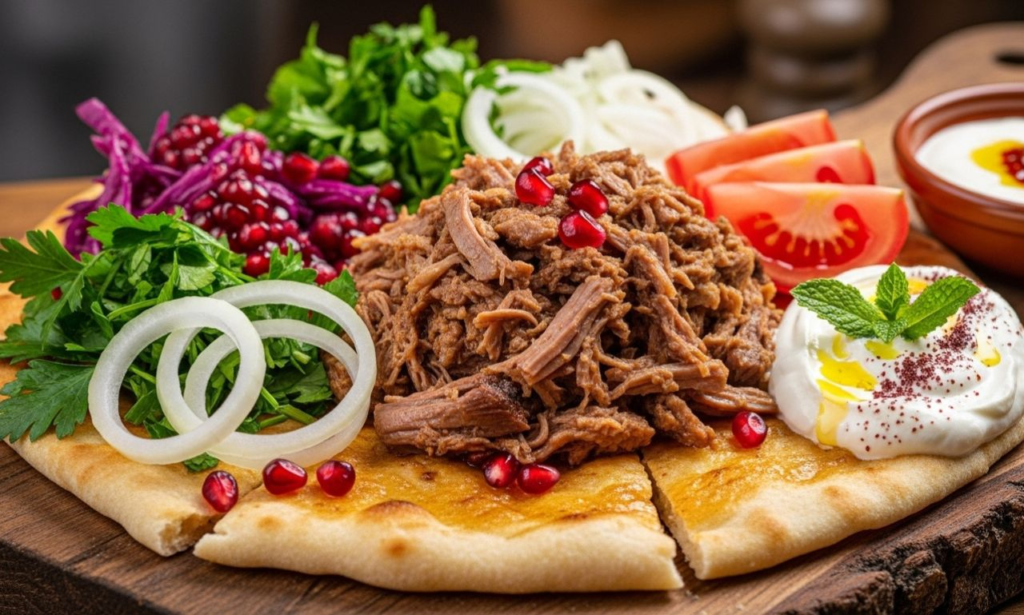
At its core, Cevurı is a fusion of multiple layers of taste and textures. It often includes ingredients like tender meats, grains, vegetables, and a combination of spices that create a harmonious blend of flavors. Its preparation involves slow cooking, allowing the ingredients to meld together and produce a deep, savory taste.
The Origins of Cevurı
The origins of Cevurı are believed to be deeply rooted in ancient culinary traditions that have been passed down through generations. The dish is commonly associated with the Middle East and parts of Central Asia, where slow-cooked stews and complex dishes have always been central to the local cuisine.
Over time, Cevurı has transcended regional boundaries and found its way into global culinary circles, becoming a symbol of the rich culinary legacy of the region. It’s often seen at family gatherings, special occasions, and community events, where its hearty, satisfying nature makes it a crowd favorite.
Also Read: Mopoga: The Ultimate Digital Gaming Platform for Instant Entertainment
The Key Ingredients in Cevurı
The beauty of Cevurı lies in its versatility, with ingredients that vary based on the region and the cook’s preferences. However, there are a few core components that remain constant:
- Meat: The most common meat used in Cevurı is lamb, due to its rich flavor and tenderness when cooked slowly. However, beef or chicken can also be used as alternatives depending on regional variations.
- Grains: A variety of grains, such as rice or bulgur, are often included in the dish. These grains soak up the flavors from the meat and spices, creating a satisfying, wholesome meal.
- Vegetables: Onions, tomatoes, carrots, and peppers are commonly found in Cevurı, adding sweetness, color, and texture to the dish.
- Spices: Cevurı is known for its bold use of spices. Common spices include cumin, cinnamon, coriander, and allspice, along with herbs like parsley and cilantro. The combination of these spices adds layers of depth to the dish.
- Stock/Broth: The dish often includes a rich stock or broth made from the same meat used in the dish, which enhances the overall flavor and contributes to the dish’s unique texture.
The Art of Preparing Cevurı
The preparation of Cevurı is an art that requires patience and a careful balance of flavors. While there are many variations of the dish, the general approach involves slow cooking the ingredients, allowing the flavors to develop and meld together. The process usually begins with browning the meat in oil to enhance its flavor. Then, vegetables and spices are added, followed by the addition of the grains and broth.
Once all the ingredients are combined, the dish is simmered over low heat for several hours. This slow-cooking process allows the meat to become tender and juicy, while the grains absorb the broth, creating a rich, hearty base.
Cevurı’s Unique Flavor Profile
Cevurı’s flavor profile is its most defining feature. The combination of tender, flavorful meat, aromatic spices, and hearty grains creates a dish that is both comforting and complex. The spices, which are used in varying proportions depending on the region, contribute a depth of flavor that lingers on the palate.
The use of slow cooking ensures that each bite of Cevurı is tender, moist, and infused with the rich flavors of the meat and spices. The grains, which soak up the broth, add a hearty texture that complements the softness of the meat and vegetables.
Also Read: HCOOCH CH2 H2O: Exploring the Composition, Chemical Significance, and Clarifications
Why Cevurı is Gaining Popularity Globally
Cevurı’s rise in popularity outside its traditional regions can be attributed to several factors. The growing trend of exploring diverse global cuisines has led many to discover the unique and rich flavors of dishes like Cevurı. Furthermore, as people look for comfort foods that are both filling and flavorful, Cevurı fits the bill perfectly.
The global rise in popularity of slow-cooked and hearty meals also contributes to Cevurı’s appeal. In a world where time is often scarce, slow-cooked meals have become synonymous with comfort, family, and tradition. Cevurı, with its deeply satisfying nature, resonates with people seeking to recreate those feelings of warmth and togetherness.
Cevurı and Its Cultural Significance
Beyond its culinary value, Cevurı holds deep cultural significance. The dish is often prepared for large gatherings and special occasions, such as weddings, festivals, and family reunions. Preparing Cevurı is seen as an act of love and hospitality, with the dish being shared among family and friends.
In many cultures, the slow-cooking process of Cevurı symbolizes patience and care. It’s a meal that brings people together, reinforcing the importance of shared experiences and communal dining.
Health Benefits of Cevurı
While Cevurı is often regarded as comfort food, it also offers a number of health benefits. The ingredients in Cevurı, particularly the meats, vegetables, and grains, are packed with essential nutrients.
- Protein: The meat in Cevurı provides a substantial amount of protein, which is essential for muscle repair and growth.
- Fiber: The grains and vegetables contribute dietary fiber, which is important for digestive health.
- Vitamins and Minerals: Cevurı is rich in vitamins and minerals, especially when fresh, seasonal vegetables are used. These nutrients support immune function, skin health, and overall well-being.
How to Serve Cevurı
Cevurı is typically served hot, straight from the pot, with a side of fresh bread or flatbread to scoop up the dish. It can also be accompanied by a simple yogurt or salad to add a refreshing contrast to the rich, savory flavors of the dish.
Also Read: David Borhaz: A Journey of Resilience, Innovation, and Community Empowerment
FAQs About Cevurı
1. What makes Cevurı different from other traditional dishes?
Cevurı stands out because of its unique blend of spices, slow-cooking method, and the combination of tender meat, grains, and vegetables. Its ability to absorb the flavors of the broth and spices gives it a distinct depth of flavor.
2. Can I make Cevurı vegetarian?
Yes, Cevurı can be made vegetarian by replacing the meat with plant-based proteins such as lentils, chickpeas, or mushrooms, which absorb the spices and flavors just like the meat does.
3. What is the best meat to use for Cevurı?
Traditionally, lamb is used in Cevurı because of its rich flavor and tender texture. However, beef or chicken can be used as alternatives depending on your preference.
4. How long does it take to cook Cevurı?
Cevurı typically takes several hours to cook, as it requires slow cooking to ensure the meat becomes tender and the flavors fully develop.
5. Can Cevurı be made in a slow cooker?
Yes, Cevurı can be made in a slow cooker by following the same steps but cooking the dish on low for several hours until the meat is tender and the grains have absorbed the flavors.
Conclusion
Cevurı is more than just a meal; it’s a celebration of tradition, flavor, and cultural heritage. Whether you are cooking it for a family gathering or enjoying it as a comforting weeknight dinner, Cevurı brings a sense of warmth and togetherness to the table. Its complex flavors, tender meat, and hearty texture make it a dish that has earned its place in the hearts of food lovers around the world. With its versatility, health benefits, and deep cultural significance, Cevurı is sure to continue captivating food enthusiasts for generations to come.

