

Asbestlint, or asbestos tape, has been used in various industries for decades due to its heat-resistant properties. However, the risks associated with asbestos exposure have led to significant concerns about its use in both residential and commercial properties. If you live in an older home or are working on a renovation project, it’s essential to understand what asbestlint is, how to identify it, the potential health risks associated with it, and how to handle it safely.
In this guide, we’ll dive deep into everything you need to know about asbestlint, from its historical use to modern safety regulations, and provide actionable advice on what to do if you suspect you have this material in your home.
What Is Asbestlint?
Asbestlint is a type of asbestos-containing material that was once widely used for its heat-insulating and fire-resistant properties. It is often found in the form of a fibrous tape used in a variety of applications, including:
- Sealing ducts and pipes: Asbestos tape was commonly used to seal pipes and ducts, especially in older buildings and industrial settings.
- Thermal insulation: It was also used to insulate heating pipes, boilers, and other equipment subjected to high temperatures.
While it may have served a useful purpose in the past, the discovery of the severe health risks associated with asbestos exposure has led to its decline in use.
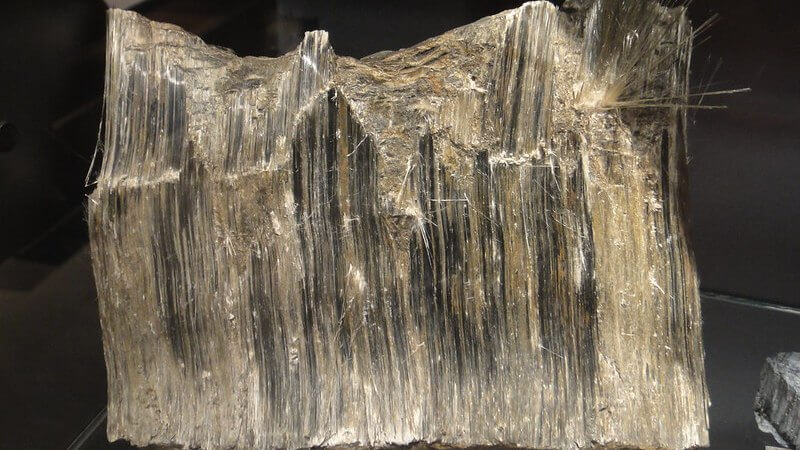
Historical Background of Asbestos and Asbestlint
The use of asbestos dates back thousands of years, but it became especially popular during the industrial revolution due to its fire-resistant and insulating properties. By the 20th century, asbestos was used in a variety of products, including insulation, roofing materials, brake linings, and flooring.
Asbestlint, specifically, was widely used in the mid-20th century, particularly in homes and commercial buildings constructed before the 1980s. During this period, it was a common material for insulation and sealing due to its strength and resistance to high heat.
Also Read: MyGreenBucks Kenneth Jones: Revolutionizing Eco-Friendly Finance
However, by the late 20th century, the severe health risks associated with asbestos exposure, including lung cancer, asbestosis, and mesothelioma, became widely known. As a result, the use of asbestos in most applications, including asbestlint, was banned or severely restricted in many countries.
How to Identify Asbestlint in Your Home
Identifying asbestlint in your home is crucial, especially if your property was built before the 1980s. While it is impossible to visually differentiate between asbestos-containing and non-asbestos tape just by looking at it, there are certain steps you can take to identify whether your insulation or sealing materials might contain asbestlint:
- Check the Age of Your Home:
Homes built before the 1980s are more likely to contain asbestos products, including asbestlint. If your house was built during this period, there is a higher chance that you may encounter asbestlint in insulation or piping materials. - Inspect Common Areas Where Asbestlint May Be Found:
Look for asbestos tape in areas such as:
- Basements and attics where old insulation may be present.
- Behind walls or under flooring where pipes are insulated.
- In heating systems or water pipes.
- Basements and attics where old insulation may be present.
- Hiring a Professional for Inspection:
The safest way to determine if asbestlint is present in your home is to hire a certified asbestos inspector. These professionals can take samples of suspected materials and send them to a laboratory for testing.
Health Risks Associated with Asbestos Exposure
Asbestos exposure is linked to several serious health conditions. When asbestos fibers are disturbed, they can become airborne and, when inhaled, lodge in the lungs. Over time, this can lead to several diseases:
- Asbestosis: A chronic lung disease that results in scarring of lung tissue, causing shortness of breath, coughing, and chest pain.
- Mesothelioma: A rare cancer that affects the lining of the lungs, abdomen, or heart, and is almost exclusively linked to asbestos exposure.
- Lung Cancer: Prolonged exposure to asbestos is a known cause of lung cancer, especially for individuals who smoke.
Also Read: Strongest One Piece Character: Unveiling the Powerhouses of the World of Pirates
The danger of asbestos exposure is that it does not show immediate symptoms. It may take years or even decades for these health conditions to develop, making it critical to avoid disturbing asbestos-containing materials.
What to Do If You Find Asbestlint in Your Home
If you suspect that asbestlint is present in your home, it’s important to take the right steps to protect your health and the health of others. Here’s a guide to safely handling asbestos materials:
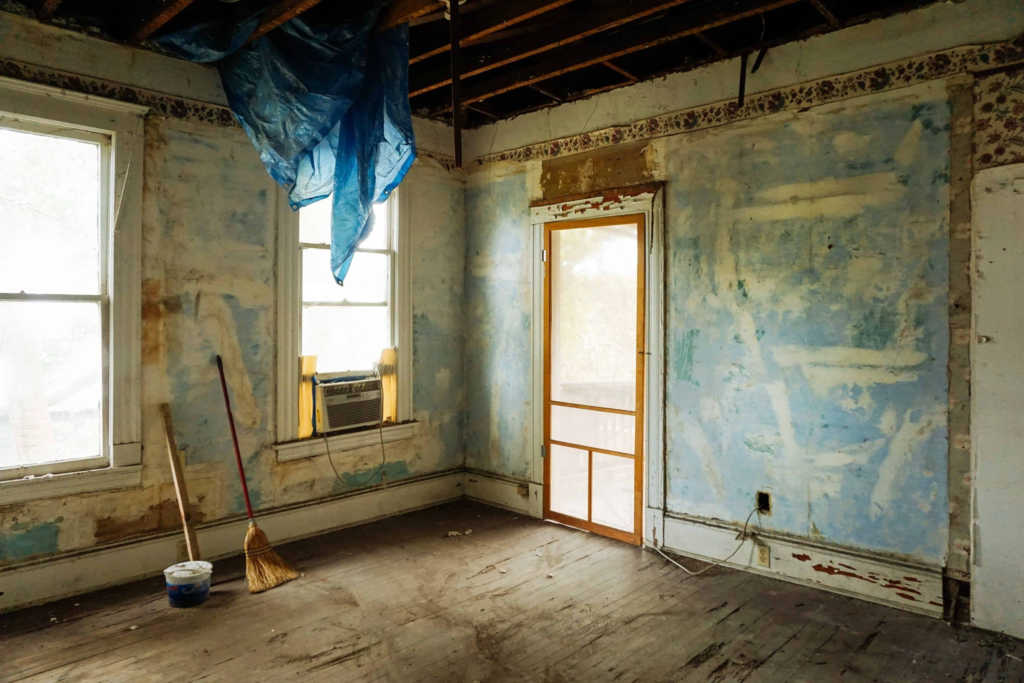
- Do Not Disturb the Material:
If you find what you believe to be asbestlint, avoid disturbing it. Asbestos fibers become dangerous when they are airborne, so it’s important not to touch or damage the material. - Isolate the Area:
If you can, try to isolate the area where the suspected asbestlint is found. This will reduce the risk of asbestos fibers spreading to other areas of the home. - Contact a Professional:
Always hire a licensed asbestos removal professional to assess the situation. They have the proper training and equipment to safely remove or contain asbestos materials. They will follow the necessary protocols to ensure that asbestos is handled properly. - Consider Asbestos Abatement:
In some cases, asbestos-containing materials can be safely removed or sealed by professionals. Asbestos abatement involves removing, enclosing, or encapsulating the material to prevent exposure.
Legal and Regulatory Considerations for Asbestos in the US
The United States has strict regulations regarding the use, removal, and disposal of asbestos. The Environmental Protection Agency (EPA) and the Occupational Safety and Health Administration (OSHA) set guidelines to ensure that asbestos is handled safely.
- Asbestos Removal Regulations: Asbestos removal must be conducted by certified professionals who follow proper safety procedures. Homeowners should never attempt to remove asbestlint or other asbestos-containing materials themselves.
- Disposal: Asbestos waste must be disposed of in specially designated areas that meet safety standards. Professional removal teams will handle disposal according to EPA guidelines.
- Health Surveillance: If you have been exposed to asbestos, it’s important to monitor your health regularly for any symptoms of asbestos-related diseases. Early detection can help improve the chances of treatment.
Also Read: MataRecycler: Revolutionizing the Recycling Process with Advanced Technology
Alternative Materials to Asbestlint
Asbestos has been banned in many products, and safer alternatives are now available. Here are some common alternatives to asbestlint:
- Fiberglass Insulation: A safer and more commonly used material for insulating pipes and ducts.
- Mineral Wool Insulation: Provides excellent heat resistance and fire protection, and does not pose the health risks associated with asbestos.
- Foam Insulation: Often used for sealing gaps and insulating pipes in modern homes.
These materials are widely used today and are non-toxic, reducing the risk of health issues caused by asbestos exposure.
Frequently Asked Questions (FAQs) About Asbestlint
What is asbestlint used for?
Asbestlint is typically used for insulation and sealing purposes, particularly in pipes, ducts, and heating systems, due to its heat-resistant properties.
How do I know if asbestlint is in my home?
Asbestlint can often be found in older homes (pre-1980s). If you suspect you have it, hire a professional to conduct an asbestos inspection.
Is asbestlint dangerous?
Yes, asbestos is dangerous when disturbed, as it releases harmful fibers into the air that can cause serious health issues like lung cancer and mesothelioma.
What should I do if I find asbestlint?
Avoid disturbing it. Isolate the area and contact a licensed asbestos professional for testing and safe removal.
Can asbestlint be removed safely?
Yes, it can be safely removed by professionals trained in asbestos abatement, following strict safety protocols.
What are the health risks of asbestos exposure?
Asbestos exposure can lead to diseases such as asbestosis, lung cancer, and mesothelioma, which can take years or decades to develop.
Are there alternatives to asbestlint?
Yes, materials like fiberglass, mineral wool, and foam insulation are commonly used today and do not pose the same health risks as asbestos.
Conclusion
In conclusion, while asbestlint was once a common and effective material used for insulation and sealing in older buildings, its dangers have become well-documented over time. The risks associated with asbestos exposure, including severe lung diseases and cancers, make it crucial to handle suspected asbestos materials with care. If you suspect that asbestlint is present in your home, it is essential to avoid disturbing it and seek professional assistance for safe inspection and removal.
By understanding the potential hazards and taking appropriate action, you can protect yourself, your family, and your home from the harmful effects of asbestos. As safer alternatives to asbestlint are now available, modern insulation materials provide a safer option for both residential and commercial applications, ensuring peace of mind and long-term health benefits.

