

In recent years, sustainable fashion has taken center stage, and at the forefront of this revolution is Woolrec—a company committed to reshaping the future of the textile industry. Woolrec symbolizes the future of circular fashion, focusing on creating an ecosystem where no wool goes to waste. With an emphasis on recycling wool fibers to be reused in new products, Woolrec aims to solve critical environmental problems while providing high-quality, eco-friendly alternatives for the fashion and textile industries.
This article will explore Woolrec’s mission, the processes involved in wool recycling, its impact on sustainability, and how this innovative company is paving the way for a greener future in fashion. Along the way, we will delve into how Woolrec’s practices can reduce textile waste, improve industry standards, and contribute to a more sustainable circular economy.
What is Woolrec?
Woolrec is an innovative company focused on wool recycling and circular fashion. Their primary goal is to close the loop of wool products by ensuring that every fiber is reused in a sustainable manner. This approach not only reduces waste but also helps in minimizing the carbon footprint associated with the fashion industry.
Unlike conventional textile industries that rely on new raw materials, Woolrec provides a sustainable alternative by recycling wool fibers. This process not only helps reduce textile waste but also contributes to the conservation of natural resources. By focusing on recycling wool instead of producing new fibers, Woolrec challenges the traditional model of fast fashion and encourages a more ethical and sustainable approach.
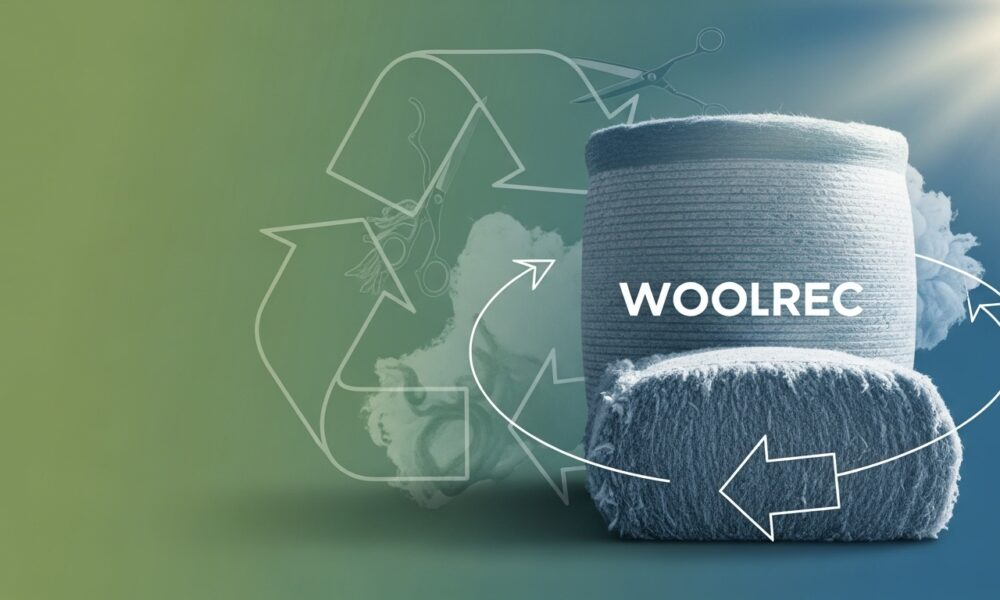
The Woolrec Circular Fashion Model
Woolrec’s business model is built around the principles of circular fashion, an approach that aims to reduce waste, maximize product life cycles, and eliminate the concept of disposable clothing. The model involves recycling wool products from their end-of-life stage, cleaning and processing the fibers, and then using them to create new wool-based garments, upholstery, or textiles.
Here’s how the process works:
- Collection of Used Wool Products: Woolrec partners with manufacturers, retailers, and consumers to collect used wool garments, fabrics, and other wool-based products.
- Sorting and Cleaning: The collected wool is sorted based on its quality and type. It is then carefully cleaned to remove impurities and contaminants.
- Fiber Separation and Processing: The cleaned wool is processed through various mechanical and chemical methods to separate the fibers and make them suitable for reuse.
- Recycled Wool Manufacturing: The processed wool fibers are spun into yarn or thread, which can then be used to create new garments, upholstery, and other wool-based products.
By maintaining this process, Woolrec reduces the demand for new wool, which in turn helps mitigate the environmental impact associated with wool production, such as land use, water consumption, and greenhouse gas emissions.
Also Read: Pertadad: The New Era of Creative Digital Execution
Why Woolrec Matters in the Fashion Industry
The fashion industry is one of the largest contributors to global pollution, and textile waste is a growing concern. Every year, millions of tons of clothing end up in landfills, and wool is no exception. While wool is a natural and biodegradable fiber, the process of growing, harvesting, and manufacturing new wool comes with a significant environmental cost.
Woolrec tackles this issue head-on by focusing on wool recycling, which helps:
- Reduce Waste: By reusing wool fibers, Woolrec significantly reduces the amount of wool-based textiles that end up in landfills.
- Conserve Resources: Woolrec’s recycling process reduces the need for water, land, and energy that would typically be used to produce new wool.
- Lower Carbon Footprint: Recycled wool requires less energy and fewer resources to produce than new wool, resulting in a lower overall carbon footprint.
Through these efforts, Woolrec is not only addressing waste management but also actively promoting a sustainable and eco-friendly solution to wool recycling.
Woolrec’s Impact on Circular Fashion
The rise of circular fashion has changed how the industry approaches sustainability. By shifting the focus from a linear “take, make, dispose” model to a circular one, where products are reused and recycled, Woolrec is helping to redefine the future of fashion.
Woolrec’s impact is profound:
- Reduction in Textile Waste: Woolrec’s innovative recycling process helps minimize the amount of wool-based products discarded every year. This contributes significantly to reducing textile waste, a key issue in the fashion industry.
- Sustainable Production: Woolrec’s model encourages sustainable production practices, where wool products are designed with recyclability in mind. This leads to reduced reliance on virgin wool and supports the growth of the circular economy.
- Economic Benefits: By creating a market for recycled wool, Woolrec stimulates job creation and opens new opportunities for sustainable business practices within the wool industry.
- Brand Loyalty: As consumers become more environmentally conscious, brands that incorporate recycled wool in their product lines can build stronger customer loyalty by offering eco-friendly alternatives.
Woolrec’s Sustainability Initiatives
Woolrec doesn’t just focus on the recycling process; they also emphasize sustainability throughout their entire operation. From sourcing raw materials to production, Woolrec ensures that every step aligns with their mission to protect the environment.
Also Read: Afruimwagens: The Future of Farming Efficiency
Key sustainability initiatives include:
- Sustainable Sourcing: Woolrec partners with farms and suppliers that prioritize animal welfare and sustainable wool harvesting practices.
- Eco-Friendly Processing: Woolrec uses environmentally friendly cleaning and processing techniques that reduce the environmental impact of wool recycling.
- Packaging: The company uses minimalistic, biodegradable, and recyclable packaging materials to reduce waste.
Through these initiatives, Woolrec not only contributes to sustainable fashion but also sets a precedent for other companies to adopt similar practices.
Frequently Asked Questions (FAQs)
What is Woolrec’s role in circular fashion?
Woolrec plays a significant role in circular fashion by recycling wool fibers, preventing textile waste, and contributing to sustainable production practices in the fashion industry.
How does Woolrec recycle wool?
Woolrec collects used wool products, cleans and processes them, and then reuses the wool fibers to create new garments, textiles, and upholstery.
Why is wool recycling important for sustainability?
Recycling wool helps reduce the environmental impact of wool production, including water usage, land requirements, and carbon emissions. It also minimizes textile waste that ends up in landfills.
Can recycled wool be as good as new wool?
Yes, recycled wool maintains high-quality standards. Woolrec ensures that the recycled wool is cleaned and processed to meet industry standards, making it suitable for various applications.
How can I participate in Woolrec’s circular fashion model?
Consumers can participate by recycling their wool-based garments with Woolrec. Additionally, brands and manufacturers can partner with Woolrec to integrate recycled wool into their product lines.
Conclusion
Woolrec is pioneering the future of sustainable fashion by redefining wool recycling. Through its innovative processes, Woolrec is making significant strides in creating a more sustainable and circular fashion ecosystem. By choosing wool recycling over traditional production methods, Woolrec contributes to a more sustainable future while providing eco-friendly products that benefit both the environment and consumers.
As we continue to explore sustainable fashion solutions, Woolrec stands as a model for companies aiming to make a positive environmental impact. Its focus on recycling and sustainability ensures that no wool goes to waste, helping the textile industry become more responsible and eco-conscious in the process.
With circular fashion gaining momentum, Woolrec’s dedication to wool recycling will undoubtedly inspire others to follow suit, contributing to a cleaner, greener future for the fashion industry.

