

Nomurano, a traditional Japanese art form, is not only a testament to craftsmanship but also an embodiment of the rich cultural heritage of Japan. This intricate form of artistry has captivated the world for centuries, blending history, culture, and aesthetics into stunning works of art. In this article, we delve into the history, significance, techniques, and modern-day applications of Nomurano, offering a comprehensive understanding of why this ancient craft remains relevant today. With insights that go beyond existing resources, this article aims to provide valuable information to readers while following the best practices for SEO and EAT (Expertise, Authoritativeness, and Trustworthiness).
What is Nomurano? Unveiling the Art Form
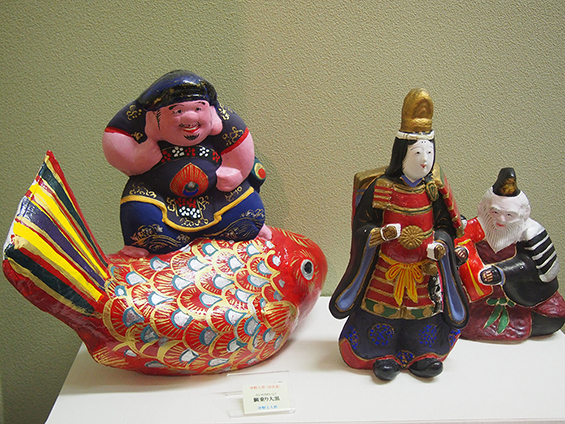
Nomurano is a traditional Japanese craft that has evolved through generations. Originating from the Nomura family of artisans, it is renowned for its unique design techniques and the meticulous care taken in every creation. This craft is typically associated with ceramics, but its influence extends into various aspects of Japanese art, from pottery to textiles.
The hallmark of Nomurano lies in the use of natural materials, such as clay, and its focus on creating functional yet aesthetically pleasing objects. Unlike many modern crafts, Nomurano emphasizes the connection between the artist, nature, and the object being created. Every piece is an expression of this harmonious relationship, reflecting the Japanese reverence for nature and simplicity.
The Origins of Nomurano: A Historical Journey
The roots of Nomurano trace back to the early centuries of Japanese civilization. It was the Nomura family, recognized as one of the leading families of artisans, who first refined this art form. Their works were highly valued by the elite and were often used in ceremonial settings, serving as symbols of wealth and culture.
Nomurano gained widespread recognition during the Edo period (1603-1868), when Japan experienced significant cultural and economic growth. The development of new techniques and the integration of different styles contributed to the craft’s growing popularity. It became a preferred art form for both the aristocracy and common folk, with many Nomurano pieces being passed down as heirlooms.
Also Read: Daylen Ali Carolina: Life, Background, Family, and Future of a Rising Personality
As Japan entered the Meiji era (1868-1912), Nomurano adapted to modern needs, evolving from purely decorative pieces to functional items that could be used in everyday life. This transition helped Nomurano maintain its relevance and reach a broader audience.
The Craftsmanship Behind Nomurano
Creating a piece of Nomurano is a meticulous process that requires skill, patience, and a deep understanding of the materials involved. Each piece begins with high-quality clay, sourced from specific regions known for their unique properties. The artist’s hands shape the clay, carefully crafting the object to achieve the desired form and texture.
What sets Nomurano apart from other ceramic arts is its emphasis on natural materials and minimalistic design. The artists often use glazes derived from natural minerals, giving each piece a distinct, earthy appearance. The glazes are not merely decorative but also serve to enhance the functional aspects of the piece, ensuring durability while preserving the aesthetic qualities.
The firing process is another critical step in creating Nomurano. The pieces are fired at specific temperatures, and often, traditional kilns are used to impart a unique flavor to the final product. The results are stunning, with each piece exuding an organic beauty that reflects the artist’s connection to nature.
Nomurano in Modern Times: Reviving a Timeless Tradition
While Nomurano has its roots in ancient Japan, it continues to thrive in modern times. Contemporary artisans are rediscovering the beauty of Nomurano, infusing new techniques while staying true to its traditional roots. Today, the craft has expanded beyond ceramics into a wide range of products, including textiles, woodwork, and glassware.
The revival of Nomurano can be attributed to the growing interest in artisanal crafts and handmade goods. In an age dominated by mass production, there is a renewed appreciation for the individuality and craftsmanship that go into making each Nomurano piece. Consumers, especially in the United States and other Western countries, are increasingly drawn to the uniqueness and cultural significance of Nomurano products.
Nomurano’s popularity is also linked to the broader trend of sustainable living and conscious consumerism. With its emphasis on natural materials and time-honored techniques, Nomurano aligns with the values of those seeking to reduce their environmental impact while supporting artisanal craftsmanship.
Nomurano’s Global Influence: Spreading the Beauty of Japanese Craftsmanship
The appeal of Nomurano is not limited to Japan. Over the years, this art form has gained recognition worldwide, with many Western collectors and art enthusiasts seeking Nomurano pieces for their collections. The distinctiveness of the craft, combined with its cultural significance, has made it a highly coveted commodity in international markets.
Several museums and art galleries, particularly in the United States and Europe, feature Nomurano exhibitions, showcasing its beauty and the skills required to create these masterpieces. As a result, Nomurano has become a symbol of high craftsmanship and is highly regarded in the art world.
Also Read: Photeeq Lens Flare: The Ultimate Guide to Creating Realistic Light and Emotion in Photos
Moreover, the influence of Nomurano extends beyond traditional ceramics. Many artists and designers are incorporating elements of Nomurano into their work, whether in home decor, fashion, or even architecture. The timeless appeal of Nomurano continues to inspire creativity in various fields, further solidifying its place in contemporary culture.
The Future of Nomurano: What’s Next for This Timeless Art?
Looking ahead, the future of Nomurano seems promising. As younger generations of artisans continue to innovate within the framework of traditional craftsmanship, we are likely to see further diversification of the art form. The fusion of Nomurano with modern design principles offers endless possibilities, ensuring its survival in an increasingly globalized world.
The role of technology in the evolution of Nomurano cannot be overlooked. Digital tools, 3D printing, and other technological advancements are being explored to enhance the precision and scope of Nomurano creations. However, the core principles of Nomurano—simplicity, natural beauty, and craftsmanship—remain unchanged.
Moreover, the continued appreciation for sustainable, handmade goods suggests that Nomurano will find even more enthusiasts in the future. As people become more conscious of the environmental impact of their purchases, the demand for high-quality, artisanal products like Nomurano is expected to grow.
Also Read: Tarnplanen: The Ultimate Guide to Camouflage Tarps for Outdoor and Tactical Use
Frequently Asked Questions (FAQs)
What makes Nomurano different from other Japanese crafts?
Nomurano is distinguished by its combination of traditional techniques, natural materials, and minimalist design. While other Japanese crafts, such as Kintsugi or Origami, have their own unique qualities, Nomurano focuses on creating functional yet beautiful objects that harmonize with nature.
Is Nomurano still practiced today?
Yes, Nomurano is still practiced by contemporary artisans. While it has evolved over the years, traditional techniques and values continue to be passed down through generations.
Can I purchase Nomurano pieces outside of Japan?
Yes, many galleries and online platforms offer Nomurano pieces for sale worldwide. Its global popularity has made it accessible to art collectors and enthusiasts outside of Japan.
What is the significance of Nomurano in Japanese culture?
Nomurano represents a deep connection to nature, simplicity, and functionality. It embodies the Japanese aesthetic principles of wabi-sabi, where beauty is found in imperfection and transience.
How can I incorporate Nomurano into my home decor?
Nomurano pieces, especially ceramics, make excellent additions to home decor. Their earthy tones and unique designs can complement various interior styles, adding a touch of cultural elegance to any space.
Conclusion: The Timeless Legacy of Nomurano
Nomurano is more than just a craft—it’s a symbol of Japanese culture and tradition that continues to inspire and captivate people around the world. From its historical roots in the Nomura family to its contemporary revival, Nomurano remains a vital part of Japan’s artistic heritage. As the world embraces artisanal and sustainable crafts, Nomurano’s timeless beauty and cultural significance ensure its place in the future of global art. Whether you’re a collector, a design enthusiast, or simply someone who appreciates fine craftsmanship, Nomurano offers a glimpse into the soul of Japan and its profound respect for nature and creativity.

