

Pasta lovers around the world are always on the lookout for ways to make authentic, homemade pasta in the comfort of their kitchens. One of the most beloved types of pasta is tortellini, a small, ring-shaped pasta filled with a variety of delicious ingredients. However, making tortellini by hand can be a time-consuming and delicate process, as each piece needs to be folded and filled just right. That’s where the tortellinatrice comes into play.
A tortellinatrice is a specialized pasta machine designed to replicate the precise folding and filling techniques required to make tortellini. In this comprehensive guide, we will explore everything you need to know about the tortellinatrice, its history, how it works, and why it’s a game-changer for home chefs and pasta enthusiasts. This article aims to surpass existing online sources by providing unique insights, in-depth explanations, and actionable tips to help you master this incredible pasta machine.
What is a Tortellinatrice?
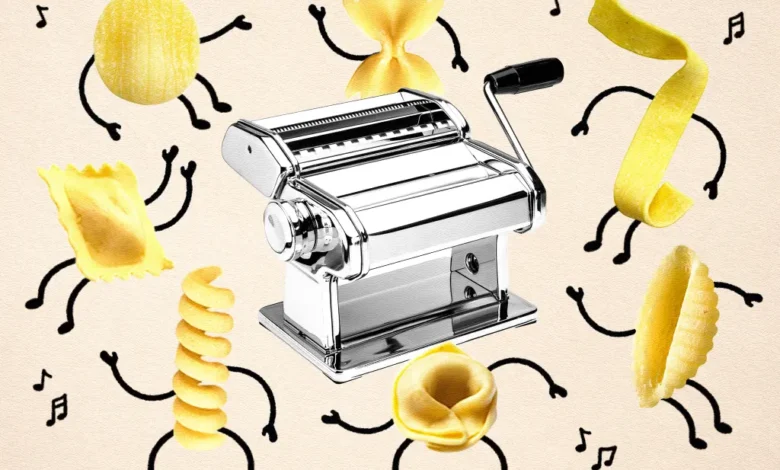
A tortellinatrice is a specialized kitchen tool used to make tortellini, an iconic type of pasta traditionally from Italy. Unlike traditional pasta machines that simply roll out dough, a tortellinatrice goes a step further by assisting with the delicate task of folding and sealing the pasta into its signature ring shape.
This machine is perfect for anyone who loves making homemade tortellini but wants to skip the time-consuming manual work involved in folding each individual piece by hand. The tortellinatrice automates this process, ensuring uniformity and precision with every tortellini you create.
The tortellinatrice typically comes with multiple settings to adjust the size and thickness of the pasta, ensuring that your tortellini has the right texture. Additionally, it usually includes attachments for filling the pasta, ensuring that the perfect amount of filling is added to each piece.
A Brief History of Tortellini and the Tortellinatrice
Tortellini has a rich history that dates back to the Emilia-Romagna region of Italy, particularly around the city of Bologna. The name “tortellini” is derived from the Italian word “tortello,” which means a small, stuffed pasta. The filling of tortellini traditionally consists of a mixture of meat, cheese, or vegetables, depending on the region.
The origins of tortellini are somewhat murky, with several legends attempting to explain its creation. One popular legend claims that tortellini was inspired by the shape of Venus’ navel, a symbol of beauty and fertility.
In the past, making tortellini was a labor-intensive process. Each tortellino had to be manually folded into its signature ring shape, a task requiring precision and skill. Over the years, various pasta machines were invented to help with the production of pasta, but the tortellinatrice specifically addresses the challenges of making tortellini by automating the folding and filling process.
Also Read: Twizchat com: Revolutionizing Digital Conversations
How Does the Tortellinatrice Work?
The tortellinatrice simplifies the process of making tortellini by automating the folding and sealing of the dough around the filling. Here’s a step-by-step breakdown of how the tortellinatrice works:
- Prepare the Pasta Dough: Like any pasta, you start by preparing the dough. Most tortellinatrice models come with a pasta roller attachment that helps you roll the dough to the right thickness. The dough is typically made from flour, eggs, and sometimes water or olive oil.
- Roll the Dough: The pasta dough is fed into the tortellinatrice, where it’s flattened into thin sheets. This process is similar to the way traditional pasta machines roll dough for other pasta types, such as spaghetti or fettuccine.
- Fill the Pasta: Once the dough is rolled out, it’s time to add the filling. Traditional tortellini fillings include a mixture of pork, prosciutto, or cheese. With the tortellinatrice, you simply load the filling into the machine, which then dispenses the perfect amount into the center of each pasta square.
- Folding and Sealing: After the filling is added, the tortellinatrice folds the dough over the filling to form a triangle shape. Then, it seals the edges by pressing them together, ensuring that the tortellini stays intact while cooking.
- Shape the Tortellini: The final step involves folding the corners of the triangle over the top, creating the signature ring shape of tortellini. The tortellinatrice automates this step, ensuring each tortellino is uniform in size and shape.
Why Should You Invest in a Tortellinatrice?
Making tortellini by hand can be incredibly satisfying, but it can also be tedious. The tortellinatrice offers several advantages for anyone who regularly makes this pasta:
- Time-Saving: The most obvious benefit of using a tortellinatrice is the amount of time it saves. Instead of folding each piece of tortellini by hand, the machine does the hard work for you, allowing you to make large batches in a fraction of the time.
- Consistency: Achieving uniformity in size and shape can be difficult when making tortellini by hand. The tortellinatrice ensures that each piece is exactly the same, which is especially important if you’re making tortellini for a special event or for sale.
- Precision: The tortellinatrice offers more precision than handcrafting, ensuring that the filling is evenly distributed and that the dough is sealed perfectly.
- Ease of Use: While making tortellini by hand requires a certain level of skill and patience, the tortellinatrice makes the process much easier for beginners. If you’ve always wanted to make homemade tortellini but felt intimidated by the folding process, this machine can help.
- Professional-Quality Results: The tortellinatrice is capable of producing restaurant-quality tortellini. Whether you’re making a meal for your family or preparing tortellini for a commercial kitchen, the machine’s high-quality construction ensures top-tier results every time.
Types of Tortellinatrice Machines
There are several types of tortellinatrice machines available on the market, each catering to different needs and budgets. Here’s a breakdown of the most common types:
Also Read: Adovivo com: A Comprehensive Guide to an Innovative Digital Platform
- Manual Tortellinatrice: These machines require manual operation, where you manually roll out the dough and load the filling. While they are more affordable, they still save a lot of time compared to making tortellini by hand.
- Electric Tortellinatrice: Electric models are powered by electricity, meaning they do most of the work for you. These machines are faster and more efficient but tend to be more expensive.
- Commercial Tortellinatrice: Designed for professional kitchens, these machines can handle larger volumes of pasta. They are built to withstand heavy use and are often automated, allowing for seamless production of tortellini at scale.
How to Choose the Right Tortellinatrice for You
When selecting a tortellinatrice, there are a few factors to consider:
- Budget: Manual models are more affordable, while electric and commercial models can be significantly more expensive.
- Ease of Use: If you’re a beginner, you might want to opt for a manual model, which gives you more control over the process.
- Durability: Make sure to choose a model made from high-quality materials, such as stainless steel, to ensure longevity.
- Capacity: Consider how much tortellini you typically make. If you plan to make small batches for personal use, a manual or small electric model will suffice. However, if you run a restaurant or catering business, you may need a commercial-grade machine.
- Attachments: Look for models that come with additional attachments, such as pasta rollers or different filling nozzles, for more versatility.
Tortellinatrice vs. Traditional Hand-Made Tortellini
Many pasta enthusiasts take great pride in making tortellini by hand, a skill passed down through generations. The ritual of folding each piece by hand can be deeply satisfying and offers a sense of connection to Italian culinary traditions.
However, the tortellinatrice offers a few distinct advantages over the traditional method:
- Speed: With a tortellinatrice, you can make hundreds of tortellini in the time it would take to make just a handful by hand.
- Precision: The machine guarantees uniform size and shape, which can be difficult to achieve when making tortellini by hand.
- Less Skill Required: While handcrafting tortellini requires a certain level of skill, a tortellinatrice makes the process accessible to beginners.
Tips for Using a Tortellinatrice
To get the best results from your tortellinatrice, here are some tips to keep in mind:
- Use Fresh Dough: Always use fresh pasta dough for the best results. It will be more pliable and easier to work with.
- Don’t Overfill: It’s tempting to pack the filling tightly, but too much filling can cause the tortellini to burst open during cooking.
- Keep the Dough Moist: If the dough starts to dry out while rolling, sprinkle it with a little water to keep it workable.
- Experiment with Fillings: While traditional tortellini fillings include meats and cheeses, feel free to experiment with different combinations, such as vegetarian or seafood fillings.
Also Read: Gastroshiza: Understanding a Rare Congenital Condition
FAQs About Tortellinatrice
Can a tortellinatrice be used to make other types of pasta?
While the tortellinatrice is designed specifically for making tortellini, some models come with attachments that can also be used to make other types of pasta, such as ravioli or lasagna.
Do I need to cook the tortellini immediately after making it?
You can cook the tortellini right away, but it’s also fine to freeze it for later use. Simply place the freshly made tortellini on a baking sheet and freeze until solid, then transfer to a storage bag.
Can I make gluten-free tortellini with a tortellinatrice?
Yes, you can use gluten-free pasta dough with the tortellinatrice. Just make sure the dough is pliable enough for the machine to handle.
Is a tortellinatrice easy to clean?
Yes, most tortellinatrice machines are easy to clean. Look for models that can be disassembled for cleaning, and be sure to follow the manufacturer’s instructions for proper maintenance.
Conclusion
The tortellinatrice is an invaluable tool for anyone who loves making homemade tortellini. Whether you’re a home chef looking to experiment with new pasta shapes or a professional chef needing to streamline production, this machine offers precision, consistency, and efficiency. By automating the delicate folding and sealing process, the tortellinatrice helps you create beautiful, uniform tortellini with minimal effort.
Investing in a tortellinatrice can elevate your pasta-making game, making it easier than ever to enjoy fresh, authentic tortellini in the comfort of your own kitchen. Happy cooking!

