

A Traffic Impact Assessment (TIA) evaluates how a new development affects local transportation systems. It helps identify potential traffic congestion, safety concerns, and suggests improvements to ensure smooth and safe traffic flow. This essential tool in urban planning promotes efficient and sustainable growth, benefiting both developers and communities.
What is Traffic Impact Assessment?
A Traffic Impact Assessment (TIA) is a detailed evaluation used to analyze the potential effects of a proposed development or construction project on the surrounding transportation infrastructure. It identifies how new developments—such as commercial buildings, residential complexes, or industrial sites—might influence traffic patterns, congestion, and safety within an area. The goal of a TIA is to ensure that any development is compatible with existing traffic systems while providing recommendations for improvements that promote smooth, safe, and efficient transportation flows.
In this article, we will break down the essentials of what a Traffic Impact Assessment is, how it works, why it is crucial for urban planning, and how it helps improve public safety. We will also explore real-world examples and answer frequently asked questions to provide a comprehensive understanding.
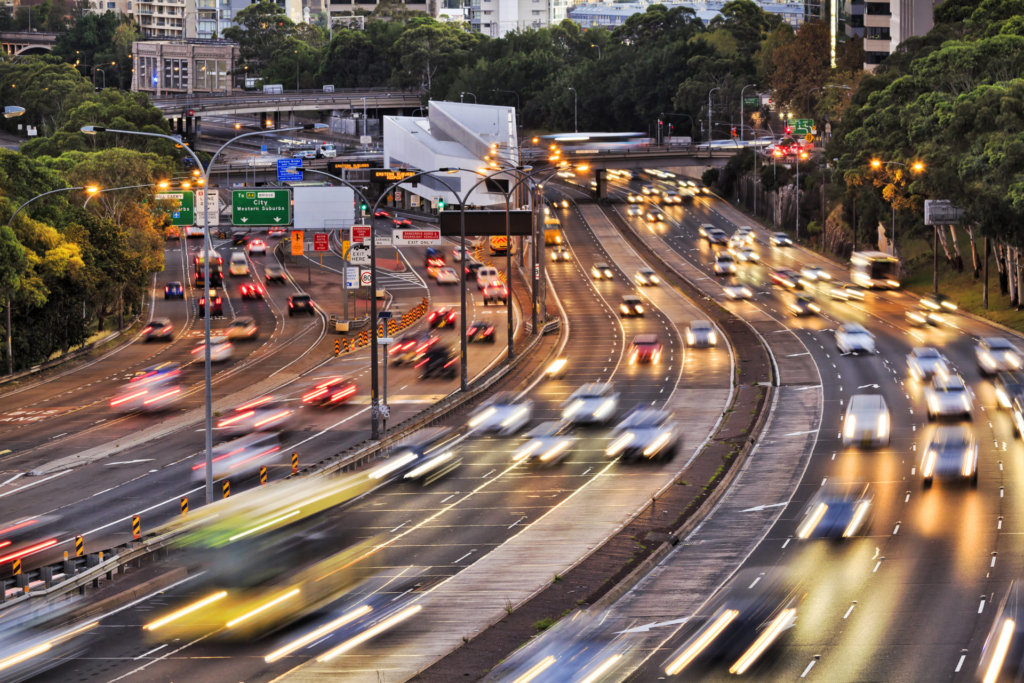
What is the Purpose of a Traffic Impact Assessment?
A Traffic Impact Assessment is typically required during the planning stages of a new development. Its purpose is to:
- Evaluate Transportation Impacts: Determine how a proposed development will affect the local traffic system. This includes assessing traffic volume, vehicle speed, pedestrian safety, and the overall efficiency of nearby roads.
- Identify Potential Problems: Assess whether the development will lead to traffic congestion, accidents, or other issues that could affect residents, businesses, or travelers.
- Recommend Mitigations: Offer solutions to minimize or mitigate any negative traffic impacts. This might involve upgrading road infrastructure, adding traffic signals, adjusting turning lanes, or improving pedestrian facilities.
- Ensure Safety: Ensure the development doesn’t compromise the safety of pedestrians, cyclists, or drivers. This includes recommending measures to address potential hazards such as blind spots or excessive traffic speeds.
- Compliance with Regulations: Ensure that the development adheres to local, state, or federal regulations related to transportation planning and environmental impacts.
Also Read: Jelka Zbardak Montreal Quebec: A Community-Centered Professional with Impactful Contributions
Key Elements of a Traffic Impact Assessment
While the exact format of a TIA may vary depending on the jurisdiction and type of development, most assessments contain several key components:
1. Study Area and Traffic Baseline
The first step in any TIA is to establish the study area, which is the region surrounding the development that will be analyzed. This usually includes the roads and intersections most likely to be affected by the new development. Traffic counts are conducted during peak hours to establish baseline conditions before any development takes place.
2. Analysis of Traffic Flow and Safety
The next step involves analyzing the traffic flow within the study area. Factors such as current traffic volumes, travel speeds, and accident rates are taken into account. This analysis helps identify areas that may already be congested or problematic, as well as potential safety issues that may be exacerbated by the new development.
3. Projection of Future Traffic Volumes
Using data from the baseline traffic study, the TIA will project future traffic volumes based on the expected number of trips generated by the development. This involves estimating how many people will likely enter or leave the site at different times of day.
4. Evaluation of Roadway Capacity
TIA also evaluates whether the existing road infrastructure can handle the projected traffic volume. Key metrics such as the level of service (LOS)—which assesses the quality of traffic flow on a given road—are used to determine if the current roads can accommodate the increased traffic. If roads are found to be under capacity, the report will recommend improvements such as road widening or new lanes.
5. Assessment of Pedestrian and Bicycle Impact
An essential aspect of modern traffic planning is considering the needs of non-motorized road users. A TIA often evaluates how pedestrian and bicycle traffic might be impacted. Recommendations might include adding sidewalks, bike lanes, or improved crosswalks for enhanced safety.
6. Traffic Control Measures and Mitigations
Once traffic impacts are assessed, the TIA will propose mitigation measures. These can range from simple changes—like adding stop signs or adjusting traffic signal timings—to more complex solutions such as redesigning intersections or creating new access points to distribute traffic more evenly.
7. Environmental Considerations
In some cases, the TIA will also consider how the development might affect the environment. For example, excessive traffic can lead to air pollution and noise. Recommendations might include sustainable transportation options, such as promoting public transit use or integrating green infrastructure like permeable pavement.
Why is Traffic Impact Assessment Important?
1. Improves Public Safety
By predicting traffic congestion, identifying accident hotspots, and recommending corrective measures, a Traffic Impact Assessment helps prevent accidents and injuries. For instance, if a new development is expected to create a bottleneck at a specific intersection, the TIA will suggest measures to alleviate the congestion and improve safety.
Also Read: PG Soft Juara100.org Medal: A Deep Dive into a Prestigious Recognition in the Online Gaming Industry
2. Reduces Congestion
One of the main purposes of a TIA is to address potential traffic congestion. Without proper analysis, new developments can contribute to severe traffic jams, which can disrupt daily commutes and harm the local economy. By identifying future traffic demands and recommending road upgrades or alternative transportation options, a TIA helps keep traffic moving efficiently.
3. Supports Sustainable Development
A well-conducted TIA ensures that new developments align with broader urban planning goals, including promoting sustainable transportation. For instance, by suggesting improvements to public transit routes or building pedestrian-friendly infrastructure, a TIA helps make urban spaces more walkable, bike-friendly, and transit-oriented.
4. Promotes Compliance with Local Laws
Many cities and municipalities require developers to submit a TIA as part of their permitting process. A TIA helps ensure compliance with local zoning laws and transportation regulations. Developers can avoid potential delays or legal challenges by having a thorough TIA that addresses all transportation-related concerns upfront.
5. Enhances Economic Benefits
A TIA can also contribute to the economic success of a project. By ensuring that a development is well-connected to transportation networks, the TIA can enhance access to the development, attract more customers, or increase employee accessibility. This can ultimately lead to higher occupancy rates for residential or commercial developments and better overall profitability.
Common Challenges in Traffic Impact Assessment
While a Traffic Impact Assessment is an essential tool for urban planning, it also faces several challenges:
- Data Availability: Gathering accurate traffic data can be difficult, especially in areas where traffic patterns are highly variable. A TIA may require numerous traffic counts, surveys, and modeling, which can be time-consuming and costly.
- Predicting Future Traffic: Traffic forecasting models are based on assumptions, and future traffic behavior may not always align with these predictions. Unforeseen changes in travel patterns, such as the introduction of new public transit options or changes in population density, can impact the accuracy of the assessment.
- Balancing Stakeholder Interests: Developers, local government, and community members may have conflicting priorities when it comes to addressing traffic issues. The TIA must carefully balance these interests and recommend solutions that are both practical and acceptable to all parties.
- Legal and Regulatory Constraints: Each jurisdiction has different rules regarding TIAs. Navigating these regulations and ensuring that the assessment meets all required standards can be complex.
Real-World Examples of Traffic Impact Assessments
Example 1: Residential Development in a Suburban Area
A large residential development in a suburban area conducted a TIA to evaluate the potential impact on surrounding roads. The study found that the nearby intersections were already experiencing peak-hour congestion. The report recommended adding new turning lanes, upgrading traffic signal timings, and constructing a dedicated bus lane to encourage public transportation use. Additionally, the development plan included wider sidewalks and bike lanes to promote non-motorized transport.
Example 2: Commercial Complex Near a Major Highway
In a case where a commercial complex was proposed near a major highway, the TIA revealed that the access points to the complex would significantly increase congestion during peak retail hours. As a solution, the assessment proposed the construction of a new access road that would provide an alternative route for shoppers, alleviating pressure on the main highway. The report also included suggestions for expanding the highway’s on-ramps to accommodate increased traffic volume.
Also Read: Digital Growth Agency Garage2Global: Revolutionizing Online Success for Businesses
FAQs About What is Traffic Impact Assessment
How do I know if a Traffic Impact Assessment is required?
Typically, TIAs are required for large developments, such as new shopping centers, apartment complexes, or industrial sites. Local zoning ordinances and planning regulations often dictate when a TIA is needed. If you are unsure, consult your local planning department or a traffic engineer.
Who conducts a Traffic Impact Assessment?
A TIA is usually conducted by professional traffic engineers or planning consultants who specialize in transportation analysis. These experts use traffic modeling software, field data, and local knowledge to evaluate the impact of the proposed development.
Can a TIA be appealed?
Yes, if you believe that the conclusions of a Traffic Impact Assessment are flawed or incomplete, you may be able to challenge the findings through a public hearing or legal process. It is essential to raise concerns early in the planning process to have a chance at influencing the outcome.
How long does a Traffic Impact Assessment take?
The timeline for completing a TIA can vary depending on the complexity of the development, the size of the study area, and the availability of traffic data. On average, a TIA can take several weeks to a few months to complete.
Is a TIA only for road traffic?
While a TIA primarily focuses on road traffic, it can also address other forms of transportation, such as pedestrian and bicycle traffic, public transit, and even parking availability. A comprehensive TIA considers the overall mobility of the area, including all modes of transportation.
Conclusion
A Traffic Impact Assessment (TIA) is essential for evaluating how new developments affect local transportation systems. It helps identify potential issues like traffic congestion and safety risks, providing solutions to mitigate these impacts. By ensuring developments are well-integrated with existing infrastructure, TIAs promote safer, more efficient, and sustainable urban environments. Overall, TIAs support informed decision-making, helping developers and local authorities create better, more livable communities.

